If you’re one of those people whose reading list keeps growing while the time to actually read stays the same, this article is for you. Everyone wants to get through ten books a month, but finding hours for even one has become tough. That’s exactly why more people are turning to AI summarizer tools that can pull the core ideas out of any book or article in just a few minutes.
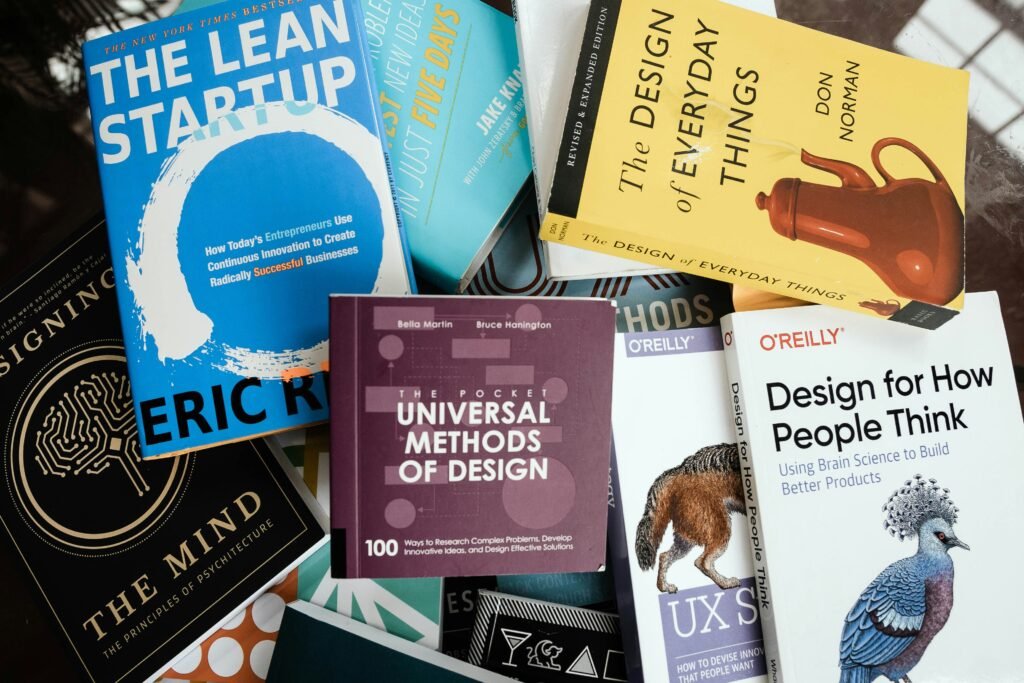
I’ve personally tried quite a few of these tools. Some genuinely work well, others are just good marketing. In this article I’ll walk you through the tools that actually deliver, and how to use them properly so you save real time instead of just switching where you waste it.
Why Does Manual Reading Feel So Slow?
Books are written to keep readers engaged, not to hand you the answer right away. A key business idea might not show up until the third paragraph, but to get there you first have to read through two paragraphs of setup and story. This gets even worse with academic books and research papers, where the actual finding is often buried under methodology and background discussion.
That doesn’t mean understanding is the problem. The real issue is finding the right idea and organizing it for your own use, and that takes time. When you’re not just reading one or two books but going through ten for a research project, this problem grows exponentially.
How Do AI Summarizer Tools Actually Work?
The basic idea behind these tools is simple: you feed in a chapter, an article, or a full document, and the AI pulls out the main arguments, key points, and important insights for you. You get much better results by pasting only the relevant section instead of the whole chapter, and by asking specific questions like “what are the 5 most important ideas in this chapter” or “pull out the author’s main principles.”
This approach works far better than a generic “summarize this” prompt, because the AI stays focused on what actually matters instead of getting distracted by side examples.
Top AI Summarizer Tools Worth Using
1. Recall
Recall consistently delivers quality summaries whether it’s a news article, a blog post, or video content. Its browser extension makes it convenient since you don’t need to keep switching tabs. The best part is it has a built-in knowledge base where you can save your summaries and come back to them later.
2. Glasp
Glasp also works through a browser extension and can summarize a wide range of web pages. What makes it stand out is its social side, you can share your highlights and notes from any page with other users. If you work with a study group or community, this feature turns out to be genuinely useful.
3. Jasper
Jasper is built mainly for marketers, but it also does a solid job with summarization. The interface is user-friendly, it supports multiple languages, and it integrates with other writing tools. The downside is that it’s priced as a B2B tool, so it’s on the expensive side.
4. QuillBot
QuillBot is free and dead simple to use. I mostly reach for it when I need to quickly paraphrase something. But if you need a deep, detailed summary, it’s not the strongest option out there.
5. Scholarcy
If you read a lot of research papers or academic books, Scholarcy is built for exactly that. It separates methodology and findings from background context, which saves a lot of time during literature reviews.
6. Elicit
Elicit does something different, it helps spot patterns and contradictions across multiple documents. If you’re comparing several books or papers on the same topic, this tool treats extraction more like research than plain summarization.
7. Numerous AI
Numerous gives you an AI function right inside a spreadsheet, letting you paste a chapter into a cell and pull out a summary or key ideas directly. This is especially handy if you’re processing multiple books at once, since everything stays organized in rows and columns instead of scattered across separate chat threads.
The 10-Minute Workflow

If you want to understand any chapter quickly and efficiently, follow these simple steps:
Start by deciding exactly what you need, a specific idea or a general overview. Then copy only the relevant section, there’s no need to paste the entire chapter. Next, ask the AI for a structured response, like bullet points or key principles. Finally, turn those points into short notes in your own words.
This approach turns a 30 to 40 minute task into a 10 minute one, and more importantly, you end up with exactly what you need without the extra clutter.
Final Thoughts
The point of AI summarizer tools isn’t to replace reading, it’s to save the time you’d otherwise spend hunting for the right idea. Whether you’re a student, a researcher, or just trying to get through your reading list, pick any one of the tools above and give it a try, you’ll notice the difference right away.