Exam season hits different every single time. You tell yourself this semester you’ll start revising three weeks early, and then somehow it’s day four before the paper and you’re staring at 200 pages of lecture slides wondering where to even begin.

I went down a rabbit hole trying almost every AI study tool I could get my hands on over the last few months — some for actual exams, some just out of curiosity — and honestly, most “Top 10 AI Tools” lists online read like they were copy-pasted from a press release. So here’s the version I wished existed: what actually works, what’s overhyped, and what I’d genuinely tell a friend to download the night before finals.
Quick List (If You’re in a Hurry)
- ChatGPT – best all-round explainer and study planner
- Claude – best for patiently breaking down a concept you keep getting wrong
- Quizlet – best for ready-made flashcard decks
- Knowt – best for turning your own notes into flashcards fast
- Anki (with AI add-ons) – best for long-term memorization
- Wolfram|Alpha – best for step-by-step math and STEM checking
- NotebookLM (Google) – best for staying grounded in your own course material
- Grammarly – best for polishing essay-based exam answers
- Perplexity – best for quick, source-backed research
- Otter.ai – best for turning recorded lectures into searchable notes
Now let’s actually get into why.
1. ChatGPT
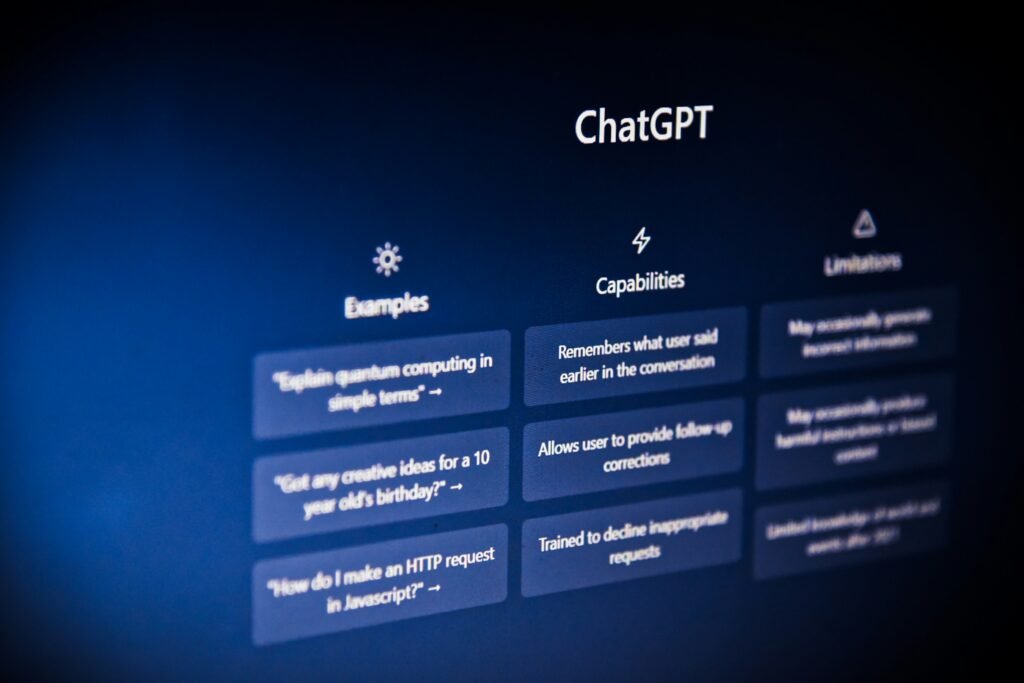
There’s a reason this is still everyone’s first stop. You throw in a messy question — half-formed, badly worded, whatever — and it just works with what you gave it. I’ve used it to turn a chapter I didn’t understand into a five-minute explanation more times than I’d like to admit.
The free plan gives you a decent chunk of usage before it quietly drops you down to a lighter model for a while. That’s annoying during a long cram session, but for planning a revision schedule or getting unstuck on a concept, it’s still hard to beat.
Where it falls apart a bit is accuracy on very specific course content. If you ask it to quote your professor’s exact wording from a reading, don’t trust it blindly — verify against your actual notes.
2. Claude
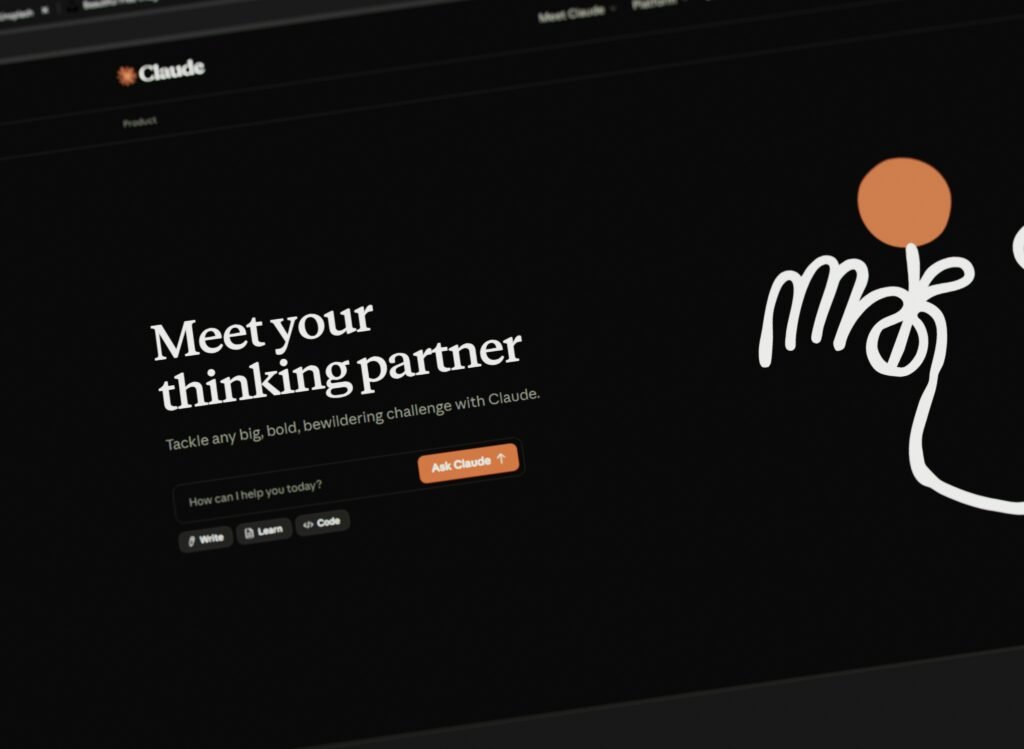
This is the one I reach for when I’ve asked ChatGPT the same question three times and I’m still confused. Claude tends to slow down and actually re-explain instead of just repeating itself with different words. For subjects with layered logic — economics, philosophy, anything with a lot of “but why” follow-ups — it holds up well.
The free tier works on a usage budget that resets after a few hours rather than a strict daily count, so a long study session can hit a wall mid-way. Plan around that if you’re doing a marathon revision night.
3. Quizlet
Quizlet’s biggest strength honestly isn’t its AI — it’s the sheer size of its existing flashcard library. If your course is remotely common, there’s a good chance someone already made a study set for it. The “Learn” mode adjusts difficulty as you go, which is a nice touch.
The catch: community-made sets aren’t always accurate. I’ve come across flashcards with straight-up wrong answers, so double-check anything before you trust it going into an exam. Use it as a supplement, not your only source.
4. Knowt
If you’d rather work from your own notes than someone else’s, Knowt is the better pick. Drop in your lecture slides or a PDF and it spits out flashcards and practice questions built specifically from your material, not generic ones. A lot of students use it as the free alternative when Quizlet’s AI features feel too locked behind a paywall.
5. Anki (with AI Add-ons)
Anki looks like it’s stuck in 2010, and honestly, it kind of is. But the spaced repetition algorithm underneath is still the best thing available for anything you need to remember long-term — anatomy terms, vocabulary, formulas, dates. Add-ons like AnkiConnect can auto-generate cards for you, which removes most of the tedious setup that usually stops people from sticking with it.
It’s not going to help you with essay-style reasoning or problem-solving skills. Pair it with something else for that.
6. Wolfram|Alpha
For STEM students, this one is non-negotiable. Wolfram doesn’t just spit out an answer to a calculus or physics problem — it walks through every step, which is exactly what you need when you’re trying to figure out where your own working went wrong. I’ve used it purely to check my algebra at 1am more times than I want to count.
Full step-by-step breakdowns for more advanced problems sit behind the paid Pro version, but the free tier is genuinely enough for most undergrad-level checking.
7. NotebookLM (Google)
This one deserves way more attention than it gets. Instead of chatting with a generic AI that might make things up, you upload your own readings, slides, or recordings, and it only answers based on what you gave it. That grounding matters a lot when you’re trying to avoid confidently wrong answers creeping into your revision.
It can also turn a dense paper into something closer to a podcast conversation between two AI hosts, which sounds gimmicky until you’re doing laundry and listening to your own thermodynamics notes explained back to you.
8. Grammarly
Not a study tool in the traditional sense, but for any exam that involves writing — essays, short-answer sections, coursework submissions — it earns its spot. It catches the vague phrasing and passive-voice habits that quietly cost marks, and the tone checker is genuinely useful if English isn’t your first language.
It won’t tell you if your argument is weak or your thesis doesn’t hold up. That part’s still on you.
9. Perplexity

When you need a fast, reasonably trustworthy overview of a topic you know nothing about, Perplexity beats opening fifteen browser tabs. It reads through top search results and gives you a summarized answer with the sources linked right there, so you can actually go verify instead of just taking its word for it.
It’s a strong first pass for research-heavy assignments, not the final word. Read the actual source before you cite anything from it.
10. Otter.ai
For lecture-heavy courses where you can’t write fast enough to keep up, Otter records and transcribes in real time and lets you search back through it later for the exact term you half-remember. The free plan caps each recording at around 30 minutes and limits how many files you can ever upload, so it works better for the occasional important lecture than for recording every single class.
A Realistic Way to Actually Use These
No one needs all ten. Pick based on where you’re actually stuck:
- Struggling to understand a concept → ChatGPT or Claude
- Need to memorize a lot of facts fast → Anki or Quizlet
- STEM problem-solving → Wolfram|Alpha
- Writing-heavy exam → Grammarly
- Missed parts of a lecture → Otter.ai
- Research for an open-book or essay exam → Perplexity or NotebookLM
Combining two or three of these covers most study situations without turning your workflow into a mess of six different apps you have to keep switching between.
FAQs
Is using AI for exam prep considered cheating? No, as long as you’re using it to quiz yourself, get concepts explained, or organize your notes rather than having it complete graded work for you. Using AI to study is treated the same as using a tutor or a textbook — how you use it is what matters.
What’s the best free AI tool for exam prep overall? There isn’t a single best one — it depends on the subject. ChatGPT is the most flexible starting point, Anki wins for pure memorization, and Wolfram|Alpha is unmatched for STEM problem-solving.
Can AI tools replace traditional studying? Not really. They’re best at cutting down the boring prep work — making flashcards, summarizing readings, checking your working — so you can spend more time actually testing yourself, which is what builds real memory.
Do I need to pay for any of these to get real value? Not for most of them. The free tiers on Anki, Wolfram|Alpha, ChatGPT, Claude, and NotebookLM are enough to build a solid study routine. Paid plans mostly just remove usage caps once you’re studying heavily.
Final Thought

I tried nearly every tool on this list at some point out of genuine desperation before an exam, not because I was writing a review. The ones that stuck around in my routine are the ones I’ve mentioned here — not because they’re the flashiest, but because they actually saved time on the boring parts of studying and left more room for the part that actually matters: testing yourself until it sticks.
Each heading above is linked directly to the tool’s official website. just click to open it.