
If you’re a student in 2026 and you haven’t figured out how to use ChatGPT yet, you’re honestly leaving free help on the table. I’m not talking about copy-pasting essay questions and hoping for the best , that’s the lazy version, and it usually backfires (professors can tell, and you don’t actually learn anything). I’m talking about using it the way a good tutor would use it: to explain things you’re stuck on, organize your workload, and quiz you until it actually sticks.
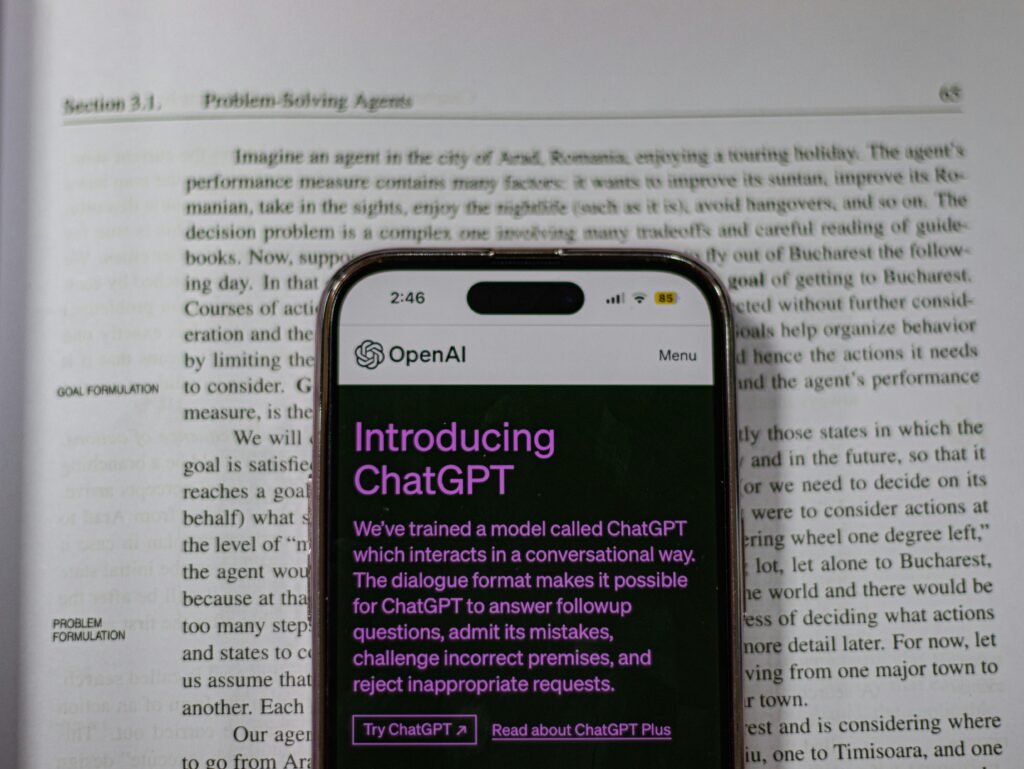
Below is everything I’ve picked up from using ChatGPT as a study tool, what works, what doesn’t, and the exact kind of prompts that get you useful answers instead of generic fluff.
1. Use It to Explain Things You Don’t Get
This is the single most common way students use ChatGPT, and for good reason. Textbooks are often written in a way that assumes you already understand half the vocabulary. ChatGPT doesn’t have that problem, you can ask it to break a concept down at whatever level you need.
The trick is being specific about the difficulty level you want. Don’t just ask “explain the Krebs cycle.” Ask it to explain it like you’re a first-year student, or ask for a real-world analogy instead of a textbook definition.
Try prompts like:
- “Explain the causes of World War I like I’m in 10th grade.”
- “Give me a simple, everyday analogy for how neural networks work.”
One thing worth keeping in mind: if you’re using this alongside an actual textbook or lecture notes, cross-check the explanation. ChatGPT is good at simplifying, but it can occasionally oversimplify to the point of being slightly wrong.
2. Beat Writer’s Block on Essays and Assignments

Staring at a blank document is one of the worst parts of being a student. ChatGPT is genuinely great at giving you a starting structure so you’re not building from nothing.
Give it your topic, the word count, and the type of essay (argumentative, descriptive, research-based), and it’ll hand you a rough outline with key points you can build on. It also works well for pulling together counter-arguments if you’re writing something persuasive and want to address the other side.
Example:
- “I need to write an 800-word argumentative essay on whether social media does more harm than good for teenagers. Can you give me an outline with 3 strong arguments and 2 counter-arguments?”
Just remember, the outline is a starting point, not the finished product. The actual writing, the voice, and the final argument should still be yours.
3. Turn Long Notes Into Flashcards in Minutes
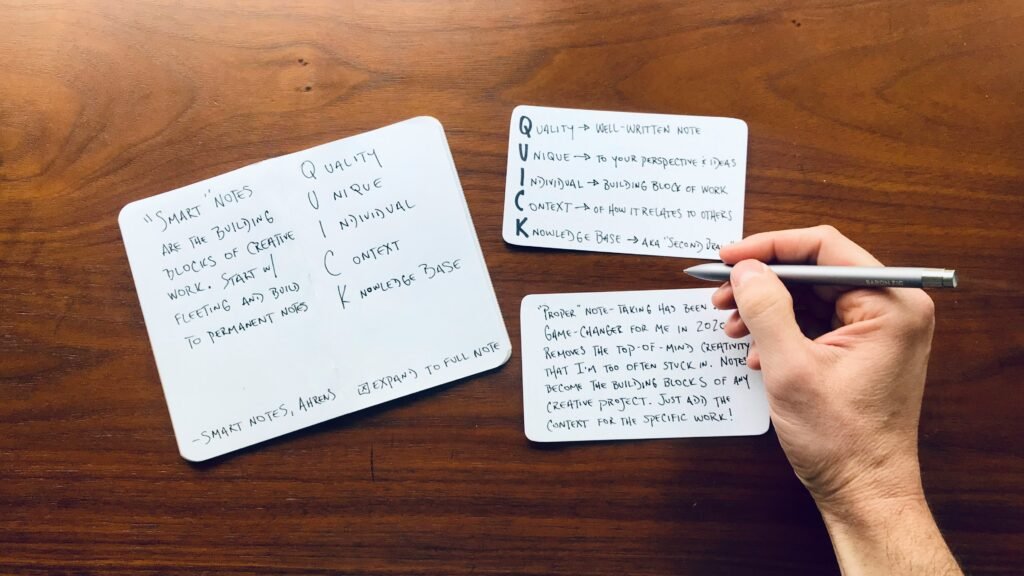
Making flashcards is one of those tasks everyone knows helps them study, and everyone still avoids doing because it’s tedious. ChatGPT can cut that time down dramatically.
Paste in a chunk of your notes or a textbook excerpt and ask it to convert the key points into question-and-answer pairs. You can even ask it to format them so they’re ready to import straight into Quizlet or Anki, which saves you the manual copy-paste step.
Example:
- “Turn these biology notes into 15 question-and-answer flashcards I can use to review for my test.”
One caveat here: always skim through the cards before you start memorizing them. AI-generated flashcards are a great first draft, but every now and then a card will be phrased awkwardly or focus on a minor detail instead of the main point.
4. Quiz Yourself Before the Real Exam

Instead of just re-reading your notes (which, science tells us, is one of the least effective ways to study), you can turn ChatGPT into a mini exam generator. Feed it your material and ask for practice questions in whatever format your actual test will use, multiple choice, short answer, true/false.
Example:
- “Make a 10-question multiple-choice quiz based on this chapter about the French Revolution, and include an answer key at the end.”
This forces active recall, which is a much stronger study technique than passive review, and it’s a good way to figure out what you actually don’t know before you walk into the exam room.
5. Get a Head Start on Research

For research-heavy assignments, ChatGPT can help you get oriented on a topic before you dive into the “real” academic sources. It’s useful for understanding the general landscape of a topic, identifying key terms you should be searching for, and getting a sense of what the major debates or findings are.
That said, this is the one area where you need to be the most careful. ChatGPT has a well-known habit of confidently citing sources, studies, or authors that don’t actually exist, or misrepresenting what a real paper actually found. Never drop an AI-generated citation into your bibliography without verifying it yourself through Google Scholar or your library database. Use it to point you in a direction, not as a source in itself.
6. Build a Study Plan When You Don’t Know Where to Start

If you’ve got a big exam coming up and no idea how to divide your time, ChatGPT can help you break an overwhelming syllabus into a day-by-day or week-by-week plan. Give it your deadline, the topics you need to cover, and how many hours a day you realistically have, and it’ll draft a schedule for you to tweak.
This won’t replace a well-designed course syllabus, but if you’re catching up on something or self-studying a topic outside of class, it’s a solid way to turn “I have no idea where to begin” into an actual plan.
A Quick Word on What ChatGPT Isn’t Good At
To use this properly, it helps to know where it falls short:
- Facts aren’t guaranteed. It can sound completely confident while being wrong. Double-check anything factual against a real source.
- Citations are unreliable. It sometimes invents papers, authors, or page numbers that don’t exist. Verify before you cite.
- Math is shakier than you’d expect. It can explain a math concept well but still get the actual calculation wrong. Don’t trust it blindly for anything you’re going to submit.
None of this means don’t use it, it just means treat it the way you’d treat a classmate who’s smart but occasionally mixes things up: helpful, but worth double-checking.
Final Thought

ChatGPT isn’t going to do the learning for you, and honestly, trying to make it do that usually just wastes your time in a different way, you end up submitting something you don’t understand and struggling later when it actually matters (like on the final exam). Used the right way, though, it’s closer to having a patient tutor available at 2 a.m. the night before a deadline: someone to explain the confusing parts, help you get organized, and quiz you until it clicks.



2 thoughts on “How to Use ChatGPT for Studying: A Complete Guide (2026)”